For patients seeking a dramatic skin transformation rather than incremental improvements, CO2 laser resurfacing represents one of the most powerful tools in modern aesthetic medicine. At Aesthetics MD in Newport Beach, this advanced laser treatment delivers comprehensive skin renewal—smoothing wrinkles, tightening lax skin, and refining texture in ways that lighter treatments simply cannot match.
Key Takeaways
CO2 laser resurfacing at Aesthetics MD offers a technology-driven approach to address multiple skin concerns simultaneously. This ablative laser treatment can significantly improve skin texture, tone, and overall appearance by removing damaged skin layers and stimulating collagen production. Results from a single, well-executed session often last for years with proper maintenance.
All CO2 laser resurfacing treatments at Aesthetics MD are designed and supervised by board-certified plastic surgeon Dr. Mark A. Anton. Because sun avoidance is critical during the healing process, many Orange County patients strategically schedule their treatments during cooler, less-sunny months when staying indoors feels more natural.
- Typical downtime: Recovery time after CO2 laser treatment typically ranges from 7 to 10 days, during which patients may experience significant skin peeling and heightened sensitivity
- Residual pinkness: Can persist several weeks, making timing around work, events, and vacations important
- Ideal candidates: Patients with sun damage, fine lines, texture irregularities, and acne scars seeking a major skin “reset”
- Long-term benefits: Collagen remodeling continues for months, with improvements often lasting several years
Ready to explore whether CO2 laser resurfacing fits your goals? Schedule a personalized consultation at Aesthetics MD to discuss your options with our Newport Beach team.
What Is CO2 Laser Resurfacing?
CO2 laser resurfacing—also called carbon dioxide laser resurfacing or laser carbon dioxide resurfacing—is an ablative laser treatment that uses a precise 10,600 nm wavelength to safely vaporize damaged outer skin while heating the dermis to stimulate new collagen. Carbon dioxide lasers have been refined over decades and now represent what many cosmetic surgery experts consider the gold standard for treating significant signs of aging and texture issues.
Dr. Anton uses advanced fractional carbon dioxide laser technology at Aesthetics MD, allowing for controlled precision that balances efficacy with manageable recovery. Modern systems like the UltraPulse CO2 laser penetrate deeper into the skin, making them suitable for addressing more severe skin concerns such as deep wrinkles and scars.
Key distinctions in CO2 laser treatments:
- Traditional (fully ablative): Removes the entire epidermal surface for maximum depth—ideal for severe damage
- Fractional CO2: Creates microscopic treatment zones surrounded by healthy tissue, promoting quicker healing
- Customizable settings: Pulse durations and densities can be adjusted to match patient tolerance and goals
CO2 treatments can be categorized into fractional and non-fractional (full-field) methods, with fractional lasers targeting small sections of the skin to minimize downtime and promote quicker healing. Compared to nonablative laser resurfacing or gentle chemical peels, CO2 delivers more dramatic, longer-lasting change—though with more downtime. It often requires only one session but has a longer recovery time compared to non-ablative treatments.
How CO2 Laser Resurfacing Rejuvenates Your Skin
This laser resurfacing procedure works on both the surface and structural levels of the skin simultaneously, creating comprehensive rejuvenation that lighter treatments cannot achieve.
The CO₂ laser treatment works by emitting a wavelength that is strongly absorbed by water in the skin cells, which vaporizes the outer layers of damaged epidermis. Simultaneously, the laser heats the underlying skin, causing collagen fibers to contract immediately while stimulating collagen production that continues for months. Fractional CO2 lasers create micro-columns of ablation in the skin, allowing for deeper penetration and significant results while reducing the risk of complications.
The surrounding tissue remains intact between treatment zones, which speeds re-epithelialization—typically within 5-7 days for most Aesthetics MD protocols. As new skin emerges, patients notice:
- Smoother skin texture throughout the treatment area
- Softened expression lines around eyes and mouth
- More even skin color and reduced sun damage
- Tighter pores and refined surface
- Fresher, more radiant complexion
Collagen remodeling continues for approximately 3-6 months after treatment, meaning results keep improving over time. This facial laser resurfacing pairs well with Dr. Anton’s surgical work—such as facelift or eyelid surgery—to refine skin quality on top of structural lifting when appropriately timed.
Am I a Candidate for CO2 Laser Resurfacing at Aesthetics MD?
Candidacy is determined during an in-person consultation in Newport Beach, where Dr. Anton or an Aesthetics MD provider evaluates your skin type, medical history, and lifestyle factors that affect healing.
Ideal candidates typically include:
- Women and men ages 30-70 with fine lines, deeper wrinkles, or sun spots
- Those with rough texture, enlarged pores, or moderate to severe acne scars
- Patients willing to plan for 7-10 days fully indoors during initial recovery
- Individuals committed to strict sun avoidance during the healing process
Lighter Fitzpatrick skin types (I-III) are generally easiest to treat with more aggressive settings. Medium to olive tones can often be treated safely with conservative, fractional approaches and appropriate pre-care protocols.
Important considerations for darker skin:
Individuals with darker skin tones face a higher risk of post-inflammatory hyperpigmentation after CO2 laser treatments, making careful patient selection and treatment customization essential. Individuals with deeper skin tones (Fitzpatrick skin types IV-VI) have a higher risk of pigment changes and should seek experienced providers who can adjust laser settings appropriately.
Patients with very dark skin, history of keloids, active acne, fresh tan, or recent isotretinoin use may need to postpone treatment or explore alternatives like gentler fractional lasers, microneedling RF, or peels. Certain medical conditions, smoking, and poor wound-healing history require extra evaluation—Dr. Anton’s team prioritizes honest, thorough screening for your safety.
Living in Orange County means you must be able to avoid sun exposure for several weeks post-treatment, which is why many local patients plan their CO2 sessions in fall or winter.
Preparing for Your CO2 Laser Resurfacing
Pre treatment preparation starts 2-4 weeks before your procedure to optimize healing and reduce risks like skin discoloration.
Standard preparation steps at Aesthetics MD:
For appropriate Fitzpatrick skin types, Dr. Anton may recommend a pigment-suppressing cream like hydroquinone to minimize hyperpigmentation risk. Patients prone to cold sores typically receive prophylactic antiviral medication starting 1-2 days before treatment, especially if the lips or perioral area will be treated, to prevent herpes simplex virus reactivation.
Practical planning checklist:
- Schedule 7-10 days away from work and social commitments
- Arrange transportation home if sedation is used
- Stock up on gentle cleanser, healing ointment, soft towels
- Purchase broad spectrum sunscreen (mineral-based SPF 30+)
- Prepare comfortable recovery space at home
A fresh tan significantly raises the risk of complications, so strict sun avoidance before treatment is essential.
What Happens During a CO2 Laser Resurfacing Session?
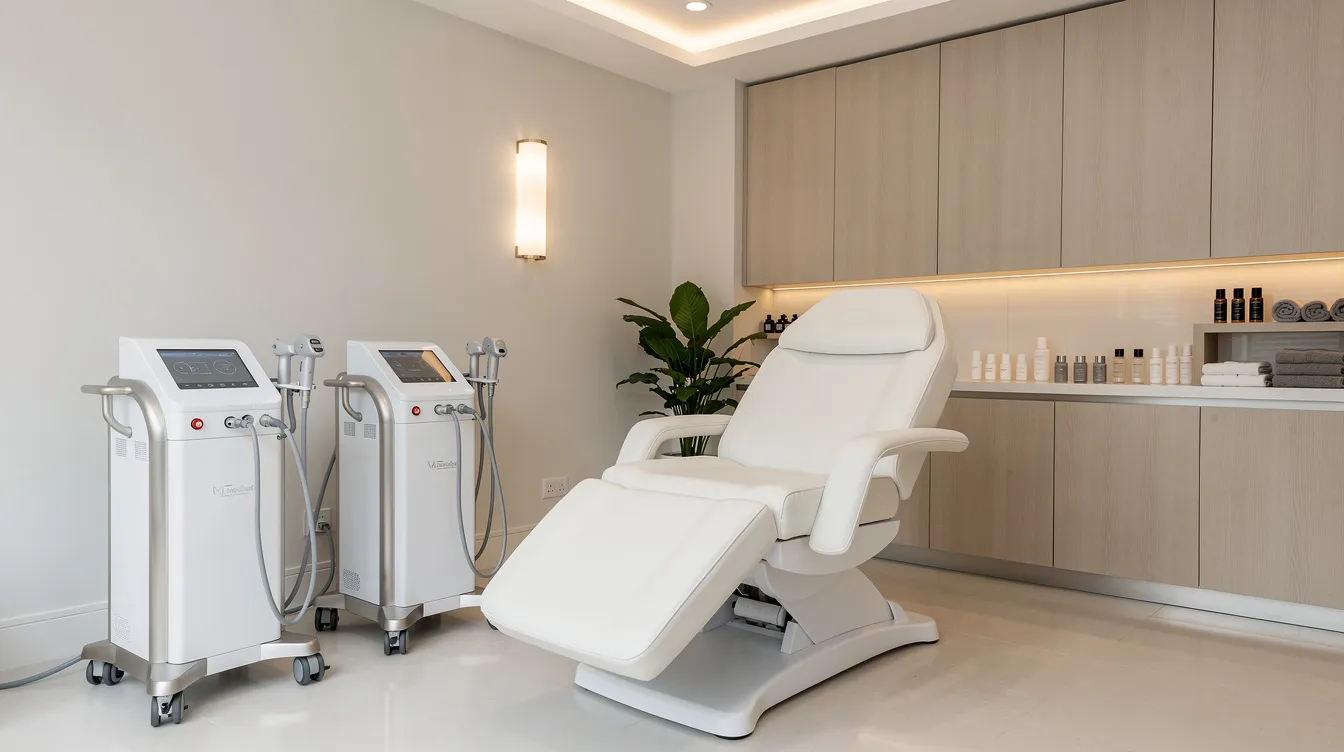
CO₂ laser resurfacing is typically performed on an outpatient basis at Aesthetics MD, using local anesthetic in combination with sedative medications as needed. This outpatient procedure takes place in a dedicated laser room designed for patient comfort.
Comfort options include:
- Powerful topical numbing (applied 45-60 minutes before)
- Local anesthetic injections for specific skin conditions
- Oral sedation for moderate treatments
- IV sedation for full-face, deeper resurfacing under Dr. Anton’s supervision
Typical appointment timeline:
- Check-in and pre-procedure photos
- Skin cleansing and preparation
- Numbing application (30-60 minutes)
- Eye protection placement
- Laser treatment session (20-90 minutes depending on area)
- Immediate post-care and instructions
The procedure can take between 30 minutes to two hours depending on the treatment area—approximately 20-30 minutes for focused zones like periocular or perioral areas, and 45-90 minutes for full-face coverage. During passes, the laser beam delivers short pulsed light energy that patients describe as heat, prickling, and tightness. These sensations are well-managed with numbing and cooling devices for precise control.
Immediately afterward, the treated skin appears very red with possible pinpoint bleeding or “frosting” (protein coagulation). An occlusive ointment is applied before you leave with detailed printed post treatment care instructions.
Right After Treatment: The First 24–72 Hours
The first few days require the most intensive care and complete rest at home.
Expected sensations:
- Intense warmth for several hours after treatment
- Throbbing similar to a strong sunburn
- Tightness and sensitivity throughout the treated area
Following CO2 laser resurfacing, patients can expect redness, pinpoint oozing, and a “bronzed” appearance as the treated layer dries and begins shedding. Post-procedure care typically includes applying ointments to prevent scabbing and promote healing, with instructions to clean the treated areas several times a day.
Post-procedure care for CO₂ laser resurfacing typically includes applying a non-stick dressing for 24 hours, cleaning the treated areas several times a day, and using ointments like Vaseline or Aquaphor to prevent scabbing. Never pick, scrub, or let the treated skin dry out.
Swelling is common around eyes and cheeks during days 1-3—ice packs or cool compresses in short intervals help ease discomfort. Keep your head elevated while resting. Stay completely indoors, away from sun and heat, and plan no in-person social events during this window.
CO2 Laser Recovery Timeline in Newport Beach
While individual healing varies, most Aesthetics MD patients follow a recognizable recovery pattern. Initial recovery typically takes 1-2 weeks, during which the skin will feel raw and peel, with visible improvement occurring over 6-12 months as collagen remodels.
Days 3-7:
- Bronzing of the skin heals and begins peeling
- “Shedding” of the outer layer reveals fresh, pink new skin underneath
- This stage looks dramatic but is completely normal
Days 5-10:
- By day 5-7, many patients feel comfortable on video calls
- By day 7-10, mineral makeup can typically camouflage remaining pinkness
- You can leave the house with strict sun precautions
Ongoing recovery: Residual pinkness or redness can last several weeks. Redness in the laser-treated sites generally fades in two to three months, but may take as long as six months to disappear, especially in individuals with lighter hair colors.
Avoid exercise, saunas, hot yoga, and heavy sweating for at least 1-2 weeks to protect the healing barrier. Long-term aftercare in sunny Southern California requires daily broad spectrum sunscreen (mineral SPF 30+), hats, and shade-seeking habits. Proper skincare becomes essential to preserve your investment.
Long-Term Results You Can Expect
CO2 laser skin resurfacing is an investment with benefits that unfold for months after your treatment session.
Patients typically see their most dramatic visible improvement between 6-12 weeks post-treatment as redness fades and collagen remodeling reaches its peak. Common long-term benefits include:
- Softer expression lines around eyes, mouth, and forehead
- Smoother texture across the entire face
- Fewer or lighter sun spots and pigmentation irregularities
- Reduced appearance of acne scars (often 50-70% improvement)
- Overall more youthful, radiant skin
Collagen stimulation continues for up to 6 months, creating new collagen fibers that provide lasting structural support. With consistent sun protection, improvements often last several years—especially in non-smokers who maintain proper skincare. Some patients choose maintenance treatments like lighter fractional lasers or chemical peels every 12-24 months to extend results.
Risks, Side Effects, and How We Minimize Them
CO2 laser resurfacing is powerful and must be performed by an experienced cosmetic surgeon to minimize risks. Common side effects of CO2 laser resurfacing include redness, swelling, and a sensation similar to sunburn, which typically subside as the skin heals.
Common, expected side effects:
|
Side Effect |
Duration |
|---|---|
|
Redness |
Couple of weeks |
|
Swelling |
Days 1-5 |
|
Peeling/oozing |
Days 3-7 |
|
Itching |
1-2 weeks |
|
Bronzing/darkening |
Days 3-7 |
Less common but important risks:
- Infection (bacterial, viral, or fungal)—minimized with proper post-care
- Prolonged erythema is a potential side effect, with redness typically lasting several weeks; in about 8.8% of cases, it can persist for 10 weeks or longer
- Acne flares or milia
- Scarring (rare with proper settings)
- Pigment changes—particularly hyperpigmentation in darker skin tones or hypopigmentation long-term
At Aesthetics MD, risks are reduced through detailed pre-screening, careful laser settings customized to your skin type, prophylactic antiviral medication when indicated, and close post-op follow-up. Strict sun avoidance and adherence to your aftercare plan are crucial to prevent complications.
If you notice new blisters, severe pain, unusual discharge, or any concerning changes, contact the Aesthetics MD team immediately for early intervention.
CO2 Laser Resurfacing vs. Other Skin Treatments
Many patients compare CO2 with alternatives when exploring specific skin concerns. Understanding the differences helps you choose the right approach.
CO2 vs. non-ablative options: Nonablative laser resurfacing, intense pulsed light, and YAG laser treatments offer less downtime but deliver more subtle, gradual results requiring multiple sessions. CO2 provides approximately 40-60% wrinkle improvement versus 20-30% from non-ablative alternatives.
CO2 vs. chemical peels: Both ablative laser treatment and deeper peels address texture and pigment, but CO2 allows ultra-precise control of depth and density. The laser beam can be tailored in a fractional pattern for customized results that thin layers of chemical application cannot match.
CO2 vs. injectables: Fillers and neuromodulators treat volume loss and muscle movement—not surface texture. Many patients combine CO2 resurfacing with injectables for comprehensive facial rejuvenation that addresses multiple layers.
During consultation, Dr. Anton will help determine whether full-field CO2, fractional CO2, or another technology better fits your skin type, downtime tolerance, and goals. CO2 is positioned as the “heavy-hitter” for those ready to invest in downtime for transformative change.
CO2 Laser Resurfacing at Aesthetics MD: Our Approach
Aesthetics MD is a luxury plastic surgery and advanced med-spa clinic in Newport Beach, serving patients throughout Orange County who seek high-end aesthetic results with natural-looking outcomes.
Dr. Mark A. Anton, a board-certified plastic surgeon with extensive experience in facial rejuvenation, oversees all CO2 laser protocols at the clinic. His expertise ensures treatment plans are tailored for safety and optimal results based on each patient’s unique skin conditions.
The personalized process includes:
- Comprehensive consultation with skin analysis and photography
- Discussion of downtime expectations and seasonal timing
- Custom treatment plan designed around your calendar and goals
- Integration with surgical procedures or other cosmetic and medical applications when appropriate
The clinic environment offers a discreet, spa-like setting with attentive nursing staff and structured post-treatment follow-up appointments. Many patients schedule CO2 during fall or winter when reduced outdoor activities make sun avoidance more practical.
Ready to discover if CO2 laser resurfacing fits your lifestyle? Schedule a private consultation at Aesthetics MD in Newport Beach to discuss your personalized treatment plan with Dr. Anton’s team.
FAQ – CO2 Laser Resurfacing in Orange County
How long should I stay out of the sun after CO2 laser resurfacing?
You should avoid sun exposure entirely for at least the first 2 weeks and continue strict protection (SPF 30-50, hats, shade) for several months while pinkness fades. Living in sunny Orange County makes timing important—many patients schedule sessions between October and March when UV levels and outdoor time are naturally lower. Even once fully healed, ongoing daily sunscreen use protects your investment and prevents new sun damage from undoing your results.
When is the best time of year to have CO2 laser resurfacing?
The ideal time is typically cooler, less sunny months—late fall, winter, and early spring—when avoiding intense UV exposure feels more natural. Many Newport Beach patients plan treatments around holidays, slower work periods, or between major events to accommodate visible downtime. Discuss specific calendar needs like weddings, vacations, or business travel during your consultation so the treatment plan can be timed appropriately.
Can I combine CO2 laser resurfacing with other procedures?
Yes, CO2 resurfacing is often combined with facial surgery (facelift, eyelid surgery), injectables, or non-ablative treatments for comprehensive results. Sometimes CO2 is performed simultaneously with laser surgery; other times it’s staged before or after to allow proper healing. Dr. Anton designs combination plans to keep results natural-looking while minimizing overall risk and downtime.
How many CO2 laser treatments will I need?
Many patients see dramatic improvement after a single full-face session, especially with more aggressive settings. Patients with deeper acne scars, significant sun damage, or those who choose conservative initial treatments may benefit from 2-3 sessions spaced several months apart. Maintenance can later involve lighter treatments or medical-grade skin care once major concerns are addressed.
How much does CO2 laser resurfacing cost?
The average cost for CO2 laser treatments ranges between $2,446 and $6,700, depending on the size of the treatment area and desired outcomes. A single treatment session can cost anywhere from $500 to $3,000, influenced by factors such as the extent of issues being addressed and technology used. CO2 laser treatments are typically not covered by insurance, as they are often considered elective cosmetic procedures. During your consultation, you’ll receive a customized quote based on your specific treatment plan.
Is CO2 laser resurfacing painful?
Patients do feel heat and stinging during and shortly after treatment, but topical numbing, local anesthesia, and sometimes oral or IV sedation maximize comfort. Most describe the post-procedure sensation as a strong sunburn for the first 12-24 hours, gradually improving each day. The Aesthetics MD team provides detailed pain management instructions including cool compresses and appropriate medications for your recovery process.